Structural Defects Discovered After Handover: How Can Property Owners Prove Contractor Liability?#
A property owner may receive a newly constructed building or unit after the completion of construction and finishing works, believing that the project is ready for use. However, structural cracks, water leaks, settlement issues, or defective finishing works may become apparent months or even years after handover.
At this stage, the issue goes beyond repairing the visible damage. The key questions become: Who is legally responsible for these defects? Can the property owner require the contractor to carry out repairs? And is compensation available for the resulting losses?
Establishing liability requires identifying the technical cause of the defect and determining whether it resulted from poor workmanship, defective materials, design errors, or inadequate maintenance. It also requires preserving the contractual documents and technical evidence needed to support a legal claim.
1. Does Property Handover Release the Contractor from Liability?#
Receiving a property does not automatically terminate all of the contractor's legal obligations or eliminate liability for defects that may emerge later.
Under Egyptian Civil Code No. 131 of 1948, Articles 651–654 regulate the liability of architects and contractors for certain defects affecting buildings and permanent structures.
Article 651 establishes a ten-year liability period for the total or partial collapse of buildings and structures, as well as defects that threaten their strength or safety.
This warranty extends beyond actual structural collapse. It may also cover defects that threaten the stability or safety of the building, even if collapse has not yet occurred.
The ten-year period generally begins when the completed work is handed over.
However, not every defect discovered after handover automatically falls within this statutory warranty.
It is important to distinguish between:
Serious structural defects: Such as significant settlement, structural cracks, foundation defects, or other issues threatening the building's stability and safety.
Finishing and workmanship defects: Such as damaged flooring, paint deterioration, plumbing installations, or other finishing issues. These are assessed according to the contract, the nature of the obligation, and the applicable legal provisions.
Therefore, identifying the technical nature and impact of the defect is essential before determining whether the ten-year statutory warranty applies.
2. How Can Property Owners Prove That Defects Resulted from the Contractor's Work?#
The existence of visible damage alone does not necessarily establish contractor liability. The owner must establish the technical cause of the defect and its connection to the contractor's obligations.
Several practical steps can help preserve the owner's legal position.
A. Document the Defects Immediately
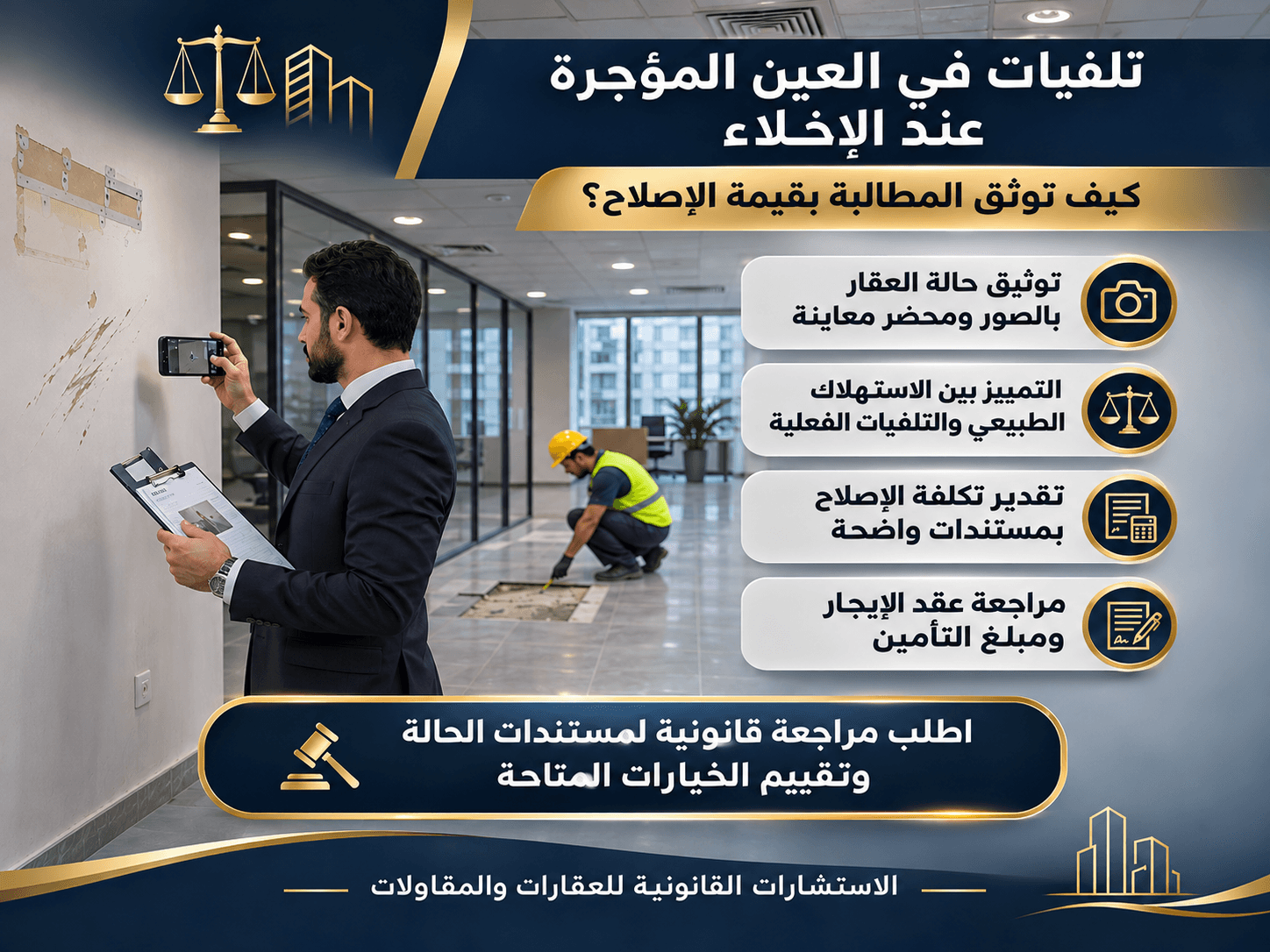
Property owners should photograph and record every visible defect, including its location, date of discovery, and any subsequent changes.
Keeping a record of previous complaints, repair attempts, and communications with the contractor can also help establish the history of the problem.
B. Obtain a Specialized Engineering Report
An engineering report is one of the most important forms of technical evidence in construction defect disputes.
Depending on the nature of the problem, the report should address:
The type and location of each defect.
The likely technical cause.
Whether the defect is connected to construction, design, or materials.
Its impact on the building's structural integrity and safety.
The repairs required to address the problem.
The estimated cost of remediation.
The report should be prepared by a qualified professional and supported by appropriate inspections and technical assessments.
C. Review the Construction Contract and Technical Specifications
The construction contract and its technical appendices should be reviewed to determine:
The scope of the contractor's obligations.
The agreed construction specifications.
The responsibility for supplying materials.
The applicable warranty provisions.
The inspection and handover requirements.
Defects may result from non-compliant materials, deviations from approved drawings, or failure to follow proper construction standards.
D. Preserve Handover Records and Correspondence
Owners should retain handover certificates, inspection reports, engineering supervision records, material test certificates, and correspondence documenting complaints or repair requests.
Signing a handover certificate should not automatically be treated as conclusive evidence that no hidden defects exist or that statutory warranty rights have been waived.
3. Who Is Liable: The Contractor, Architect, or Real Estate Developer?#
Liability depends on the cause of the defect and the contractual responsibilities undertaken by each party.
Contractor Liability
A contractor may be liable when defects result from improper execution, non-compliance with technical specifications or approved drawings, or the use of non-compliant materials supplied under the contractor's obligations.
Architect's Liability
The architect's liability depends partly on the scope of the professional engagement.
Under Article 652 of the Egyptian Civil Code, where an architect is engaged solely to prepare the designs without supervising execution, liability is limited to defects resulting from the design.
Real Estate Developer Liability
Where the developer contracted directly with the property owner to deliver the property, liability may arise from the developer's contractual obligations.
Delegating construction works to another contractor does not automatically release the developer from its contractual responsibilities.
Accordingly, a proper assessment may require reviewing the relationships between the owner, developer, contractor, and supervising architect to determine the responsibilities of each party.
4. What Is the Legal Warranty Period for Structural Defects in Egypt?#
One of the most important issues for property owners is the distinction between the statutory warranty period and the limitation period for bringing a warranty claim.
Under Articles 651 and 654 of the Egyptian Civil Code:
Warranty period: Ten years from handover for the relevant cases of total or partial collapse and defects threatening the strength or safety of the building.
Time limit for warranty claims: Warranty claims are subject to a three-year period beginning from the occurrence of the collapse or discovery of the defect.
This distinction is particularly important. A ten-year warranty does not mean that the owner can postpone legal action indefinitely during that period.
Owners should therefore document the date on which defects were discovered and obtain legal advice promptly to determine the applicable deadlines.
Article 653 also provides that any contractual provision intended to exempt the architect or contractor from this statutory warranty, or to limit it, is void.
5. What Can Property Owners Do If the Contractor Refuses to Carry Out Repairs?#
If the contractor denies responsibility or refuses to address the defects, the owner should avoid taking steps that could undermine the available evidence.
The following approach may help:
Step 1: Formally Notify the Contractor
Send a documented notice describing the defects, their locations, and the date they were discovered. Request an inspection and an appropriate response.
Keep evidence that the notice was delivered.
Step 2: Request a Joint Technical Inspection
Where appropriate, arrange an inspection involving representatives of the owner, contractor, and supervising engineer.
A written inspection record can help document the defects and each party's position.
Step 3: Preserve Evidence Through Legal Procedures
If the defects may deteriorate or their original condition may be altered by repair work, it may be appropriate to seek judicial evidence-preservation procedures and request the appointment of an expert, subject to the applicable legal requirements.
Step 4: Consider Repair or Compensation Claims
Depending on the contract and the legal basis of liability, the owner may consider requesting:
Repair of defective construction work.
Reimbursement of reasonable repair costs.
Compensation for proven losses resulting from the defects.
The appropriate claim depends on the facts, available evidence, and applicable legal provisions.
Step 5: Consider Litigation if Negotiations Fail
If an amicable settlement cannot be reached, the owner may pursue the appropriate legal proceedings.
The claim should be supported by the construction contract, engineering reports, handover documents, correspondence, and other relevant evidence.
6. Common Mistakes to Avoid When Construction Defects Appear#
Certain actions may weaken the owner's ability to establish liability.
Common mistakes include:
Starting repairs before documenting the original condition, where there is no immediate safety necessity.
Relying exclusively on photographs without obtaining a technical assessment.
Accepting verbal repair promises without documenting the agreement.
Signing documents acknowledging the settlement of all obligations without legal review.
Treating finishing defects and serious structural defects as legally identical.
Delaying legal action after discovering defects.
Ignoring the potential responsibilities of the architect, supervising engineer, or developer.
Importantly, urgent repairs necessary to protect occupants or prevent further damage should not be delayed merely to complete evidence-preservation procedures. The condition should be documented as far as reasonably possible before and during the necessary work.
7. How Can Legal Advice Help Establish Contractor Liability?#
Construction defect disputes require more than identifying visible damage. They involve connecting contractual obligations, technical findings, and the applicable legal framework.
Specialized real estate and construction legal advice can assist with:
Reviewing construction contracts and warranty provisions.
Examining handover records, engineering reports, and correspondence.
Identifying potentially liable parties.
Assessing whether the ten-year statutory warranty applies.
Reviewing relevant legal deadlines.
Preparing formal notices and legal claims.
Evaluating settlement options and litigation strategies.
Pursuing appropriate repair or compensation claims.
This support becomes particularly important when structural defects affect building safety or when several parties are involved in the development and construction process.
Establish Liability Before Proceeding with Repairs#
The discovery of structural defects after property handover does not necessarily mean that the owner must bear the repair costs. Nor does handover automatically release contractors and architects from applicable statutory warranty obligations.
However, protecting the owner's legal rights requires identifying the nature and cause of the defects, documenting their condition, reviewing construction contracts and handover records, and taking appropriate legal action within the applicable deadlines.
If structural or finishing defects have appeared in your property after handover, obtaining a technical and legal assessment before deciding how to proceed can help clarify liability and protect your interests.
Request a legal review of your case documents and an assessment of the available options to determine the appropriate steps for protecting your property rights.