A company may decide to terminate its relationship with a commercial agent after years of cooperation, only to discover that collected payments have not been transferred, sales statements remain incomplete, or commissions are subject to disagreement.
On the other hand, an agent may claim outstanding commissions for transactions completed before termination or seek reimbursement for expenses incurred while performing the agency.
In such circumstances, the main challenge is not simply ending the contractual relationship. It is determining the legal and financial position of each party before formally closing the relationship.
This becomes particularly important when the agency involves product distribution, customer management, or collecting payments on behalf of the principal. Failure to properly settle these matters can result in commercial disputes that continue long after the agreement has ended.
1. Does Terminating a Commercial Agency Agreement End All Outstanding Obligations?#
Terminating a commercial agency agreement does not automatically extinguish obligations that arose during its term. Certain responsibilities may continue after termination, depending on their nature, the contractual provisions, and the applicable law.
These obligations may include:
Submitting a final statement of account covering transactions conducted on behalf of the principal.
Transferring collected payments that remain in the agent's possession.
Settling commissions earned on transactions that satisfy the agreed conditions.
Reviewing expenses incurred by the agent on behalf of the principal.
Delivering commercial records and documents relating to the agency.
Settling outstanding inventory, goods, samples, and assets held by the agent.
Maintaining confidentiality and refraining from unauthorized use of commercial information.
Accordingly, terminating the relationship should be treated as two separate stages: ending the agent's authority to undertake new business and settling the rights and obligations arising from previous transactions.
2. What Is the Legal Position on Commercial Agency Termination Under Egyptian Law?#
The first step is to identify the actual legal nature of the contractual relationship. An agreement described as a commercial agency, commission agency, or exclusive distribution arrangement may be subject to different legal provisions.
In Egypt, commercial agency relationships are governed by several legislative instruments, including:
Commercial Law No. 17 of 1999.
Commercial Agency Regulation Law No. 120 of 1982, as amended by Law No. 21 of 2022.
Civil Code No. 131 of 1948, particularly its provisions governing agency contracts.
Article 163 of the Egyptian Commercial Law addresses the termination of commercial agency agreements and the circumstances in which compensation may become payable.
These provisions make it important to examine whether termination complies with the contractual and statutory requirements, including notice obligations, timing, and the potential consequences of terminating an agreement without sufficient justification.
A contractual clause allowing termination does not necessarily eliminate all financial liabilities arising from the manner in which termination is exercised.
It is also important to distinguish between three separate matters:
Lawful termination of the commercial agency agreement.
Entitlement to compensation where the applicable legal conditions are satisfied.
Settlement of outstanding financial obligations arising from transactions completed before termination.
These matters have separate legal foundations. For example, an agent's entitlement to an earned commission does not necessarily depend on whether compensation for termination is payable.
3. How Should the Agent's Accounts Be Reviewed Before Termination?#
Accounting disputes are among the most common sources of conflict when terminating commercial agency agreements, particularly where the agent collects customer payments or manages sales transactions on behalf of the principal.
Article 705 of the Egyptian Civil Code requires an agent to provide the principal with the necessary information concerning the performance of the agency and to submit an account of the agency's activities.
A comprehensive financial review should therefore cover the following areas.
A. Reviewing Sales and Transactions
All transactions conducted during the agency period should be identified, including their values, dates, and current status.
The review should distinguish between completed transactions, partially executed orders, and transactions that remain pending.
B. Reviewing Collected Payments
The company should reconcile issued invoices against amounts actually collected from customers.
This includes identifying:
Payments transferred to the principal.
Amounts still held by the agent.
Outstanding customer balances.
Refunds and cancelled transactions.
Total sales should not be confused with amounts immediately payable to the principal, as payment obligations may depend on the contractual settlement arrangements.
C. Reviewing Outstanding Commissions
The parties should establish which transactions qualify for commission, the agreed commission rate, and the calculation method.
The review should also determine whether commission entitlement depends on concluding the transaction, completing delivery, or collecting the customer's payment.
Special attention should be given to transactions concluded before termination but collected afterward.
D. Reviewing Expenses and Deductions
The review should cover expenses incurred by the agent on behalf of the principal, customer discounts, refunds, and other financial adjustments.
Each expense should be supported by appropriate documentation and assessed against the authority granted to the agent under the agreement.
E. Preparing the Final Statement of Account
A detailed final statement should identify all outstanding amounts owed by each party, supported by relevant invoices, payment receipts, bank transfers, and other accounting records.
The objective is to establish a verifiable financial position rather than agreeing on an unexplained total balance.
4. What Can a Company Do If the Agent Refuses to Submit Accounting Statements or Transfer Collected Payments?#
A company may encounter situations in which the agent refuses to provide accounting records, delays transferring customer payments, or submits incomplete statements that prevent proper financial reconciliation.
In such circumstances, immediately initiating court proceedings without preparing a supporting documentary file may weaken the company's position.
The following steps should be considered.
Step 1: Issue a Formal Request
The company should send a formal request identifying the required documents, the relevant accounting period, the outstanding amounts, and a reasonable response deadline, subject to the agreement and applicable legal requirements.
Step 2: Collect Supporting Documents from Independent Sources
The company should not rely exclusively on statements provided by the agent.
These statements should be compared against:
Issued invoices.
Internal sales records.
Bank transfer confirmations.
Customer correspondence.
Delivery receipts.
Payment records.
Step 3: Identify Disputed Amounts
Outstanding amounts should be classified into three categories:
Amounts acknowledged by both parties.
Amounts subject to disagreement.
Amounts requiring additional verification.
This classification makes negotiations and subsequent legal proceedings more structured.
Step 4: Assess the Legal Risks
If the agent continues refusing to provide accounts or transfer collected funds, the company should assess the appropriate legal measures to recover its payments and establish contractual breaches.
Article 706 of the Egyptian Civil Code also addresses the agent's liability for using the principal's funds for personal purposes and the interest that may become payable on amounts retained, subject to the statutory requirements.
5. How Are Commissions Determined After Termination of a Commercial Agency Agreement?#
One of the most common disputes concerns commissions relating to transactions that were not fully completed before the agency agreement ended.
For example, negotiations may have taken place during the agency period, while the final contract was signed after termination. Alternatively, a sale may have been completed before termination, but payment may have been collected afterward.
To address these situations, the parties should review the agency agreement and determine:
Does commission become payable upon concluding the transaction?
Is commission linked to successful execution?
Is actual collection of the customer's payment required?
How are pending orders treated upon termination?
Does the agreement contain special provisions for deferred commissions or customers introduced by the agent?
It would be incorrect to assume that all commissions automatically disappear when the agency ends.
Likewise, it would be incorrect to assume that every subsequent transaction automatically generates a commission entitlement.
The outcome depends on the contractual terms, the nature of the business, the agent's role in completing the transaction, and the applicable legal provisions.
6. What Happens to Inventory, Documents, and Customers After Termination?#
Financial accounts are not the only matters requiring settlement. Other commercial assets and responsibilities may also remain outstanding.
Inventory and Goods
The parties should conduct a physical inventory of all goods held by the agent and reconcile quantities sold, returned, damaged, or remaining in storage.
The agreement should determine whether the goods must be returned or handled through another agreed procedure.
Commercial Documents
The agent should deliver relevant contracts, invoices, sales records, and correspondence relating to the agency.
Both parties should retain the documents necessary to establish their respective rights and obligations.
Customers and Pending Orders
Pending orders, ongoing customer contracts, and unfinished transactions should be identified.
The parties should establish how customer relationships will be transferred to the principal or a replacement agent, while respecting confidentiality and applicable data protection obligations.
Trade Secrets and Confidential Information
Confidential business information should remain protected after termination.
Neither party should disclose or use confidential commercial information in violation of contractual obligations or applicable law.
Properly addressing these matters helps prevent disputes concerning inventory, customers, and commercial information after the financial settlement.
7. Can Commercial Agency Disputes Be Settled Amicably, or Is Court Action Necessary?#
Not every disagreement arising from commercial agency termination requires litigation.
An amicable settlement may be more appropriate where the accounts are clear and the disagreement concerns a specific commission, expense, or payment deadline.
A written settlement agreement should ideally address:
The total amounts payable to each party.
Accepted commissions and reimbursable expenses.
Outstanding transfers and payment deadlines.
The status of inventory and commercial documents.
Obligations that continue after termination.
The scope of the financial release and the claims covered by it.
However, litigation may become necessary when an agent persistently refuses to submit accounting statements, denies collected payments, or disputes fundamental contractual obligations.
The appropriate legal procedure should be determined after reviewing the agreement, supporting documents, the nature of the claim, and any applicable jurisdiction or arbitration clauses.
8. What Mistakes Should Be Avoided When Terminating a Commercial Agency Agreement?#
Poorly managed termination procedures can weaken a party's legal position and create additional disputes.
Common mistakes include:
Terminating the agreement without reviewing notice, termination, and compensation provisions.
Accepting a summary statement of account without supporting documentation.
Ignoring commissions relating to previous transactions.
Signing a final release before reviewing all financial operations.
Failing to reconcile inventory and commercial documents held by the agent.
Making deductions or financial set-offs without a clear contractual or legal basis.
Overlooking continuing obligations, including confidentiality and restrictions on the unauthorized use of commercial information.
Particular attention should be given to the wording of the final settlement agreement.
Broad or ambiguous release clauses may create further disagreements concerning which claims have been settled and which rights remain enforceable.
9. How Can Legal Review Help Prevent Further Disputes?#
Proper legal management should begin before the termination notice is issued.
The first step is reviewing the agency agreement, identifying the legal nature of the relationship, and determining the rights and obligations arising from it.
Legal assistance may include:
Reviewing commercial agency agreements and exclusive distribution arrangements.
Assessing termination provisions and required notices.
Reviewing commission structures, collected payments, and expenses.
Identifying documents required to support financial claims.
Preparing formal legal notices and payment demands.
Negotiating financial settlements.
Drafting termination and settlement agreements.
Evaluating litigation or arbitration options when an amicable settlement is not possible.
Carefully drafting commercial agency and exclusive distribution agreements from the beginning can also reduce the risk of future disputes.
Particular attention should be given to commission calculations, accounting deadlines, payment transfers, inventory management, and procedures for terminating the relationship and settling pending transactions.
Note#
Terminating a commercial agency relationship should not be treated as a simple administrative decision to stop doing business.
It is a legal and financial process requiring a comprehensive review of the obligations arising throughout the contractual relationship.
Reconciling sales, collected payments, commissions, expenses, inventory, and commercial documents is essential to achieving a clear settlement that protects both parties and reduces the risk of future disputes.
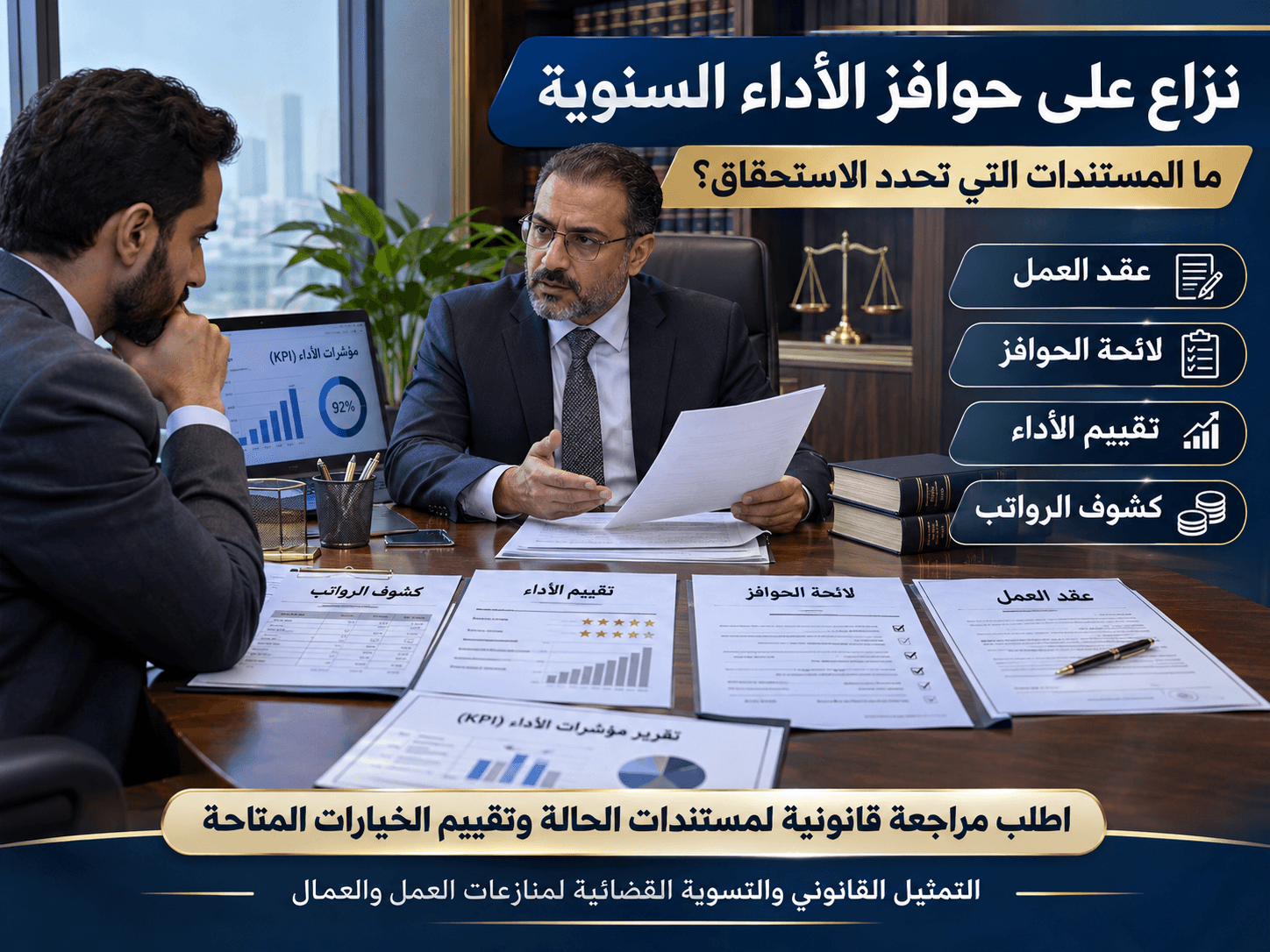
If your company is planning to terminate a commercial agency agreement or is facing disagreements concerning accounting statements, commissions, or outstanding payments, request a legal review of your documents and an assessment of the available options.
A proper legal assessment can help identify your contractual position, evaluate potential claims, and determine the most appropriate course of action before finalizing the settlement.