Article Body#
Why Are Creative Rights an Important Financial Decision?#
A company may commission a designer to develop a visual identity, advertising materials, or digital content, only to discover later that the payment covers limited usage rights rather than unrestricted commercial exploitation.
The issue becomes particularly significant when the company plans to reuse the design in additional campaigns, modify the content, expand into new markets, or incorporate the creative work into long-term business operations.
In such situations, the financial decision extends beyond the initial production cost. Businesses must assess the economic value of the associated intellectual property rights and determine how those rights support future commercial activities.
1. What Is the Economic Difference Between Commercial Licensing and Full Rights Acquisition?#
Commercial Licensing
A commercial license allows a business to use creative content under specific contractual conditions. These conditions may define the duration of use, geographical territory, permitted applications, exclusivity, and applicable licensing fees.
The business receives permission to use the work without necessarily acquiring ownership of the underlying intellectual property rights.
Full Rights Acquisition
Full rights acquisition generally refers to obtaining all transferable economic exploitation rights agreed upon between the parties.
Under Egyptian Intellectual Property Protection Law No. 82 of 2002, transfers of economic rights must satisfy specific legal requirements, including written documentation and clear identification of the transferred rights and their scope.
Importantly, acquiring economic rights does not automatically eliminate the creator's moral rights, which receive separate legal protection.
From an economic perspective, the main difference lies in the level of commercial control, flexibility, and financial commitment associated with each option.
2. Comparing Costs and Economic Benefits#
Comparison Factor | Commercial Licensing | Full Rights Acquisition |
|---|---|---|
Initial investment | Generally lower | Generally higher |
Usage duration | Defined by the agreement | Subject to the rights and terms acquired |
Future expansion | May require additional fees | Greater flexibility if covered by the agreement |
Commercial control | Limited by licensing conditions | Broader within the transferred rights |
Financial risks | Renewal costs and licensing restrictions | Higher upfront costs or incomplete rights transfers |
Best suited for | Short-term projects | Long-term strategic assets |
Although acquiring economic rights may involve a higher initial investment, it can provide financial advantages when the creative asset is expected to support business operations over an extended period.
However, licensing may remain the more cost-effective option for temporary campaigns or projects with limited commercial requirements.
3. How Can Businesses Calculate the True Cost of Each Option?#
A reliable financial comparison should consider the total expected cost throughout the asset's useful commercial life rather than focusing exclusively on the initial payment.
Businesses should assess several key factors:
Acquisition Costs: The initial licensing fee or the purchase price of the relevant economic rights.
Renewal and Expansion Expenses: Additional payments required to extend licensing periods, enter new markets, or expand the scope of permitted usage.
Modification Costs: Expenses associated with adapting, updating, or producing derivative versions of creative content, depending on the rights granted.
Financial Risk Exposure: Potential losses arising from licensing disputes, unauthorized usage, or interruptions to business operations.
Expected Economic Returns: Additional revenue, cost savings, or other financial benefits generated through commercial exploitation of the creative asset.
Evaluating these factors enables businesses to compare the financial efficiency of both approaches and identify the option that best supports their commercial objectives.
4. Practical Example: Licensing vs. Purchasing Economic Rights#
Consider a marketing company planning to use a creative design for three years.
The company receives two proposals:
Financial Item | Estimated Cost |
|---|---|
Annual commercial licensing fee | EGP 20,000 |
Total licensing cost over three years | EGP 60,000 |
Acquisition of the required economic rights | EGP 75,000 |
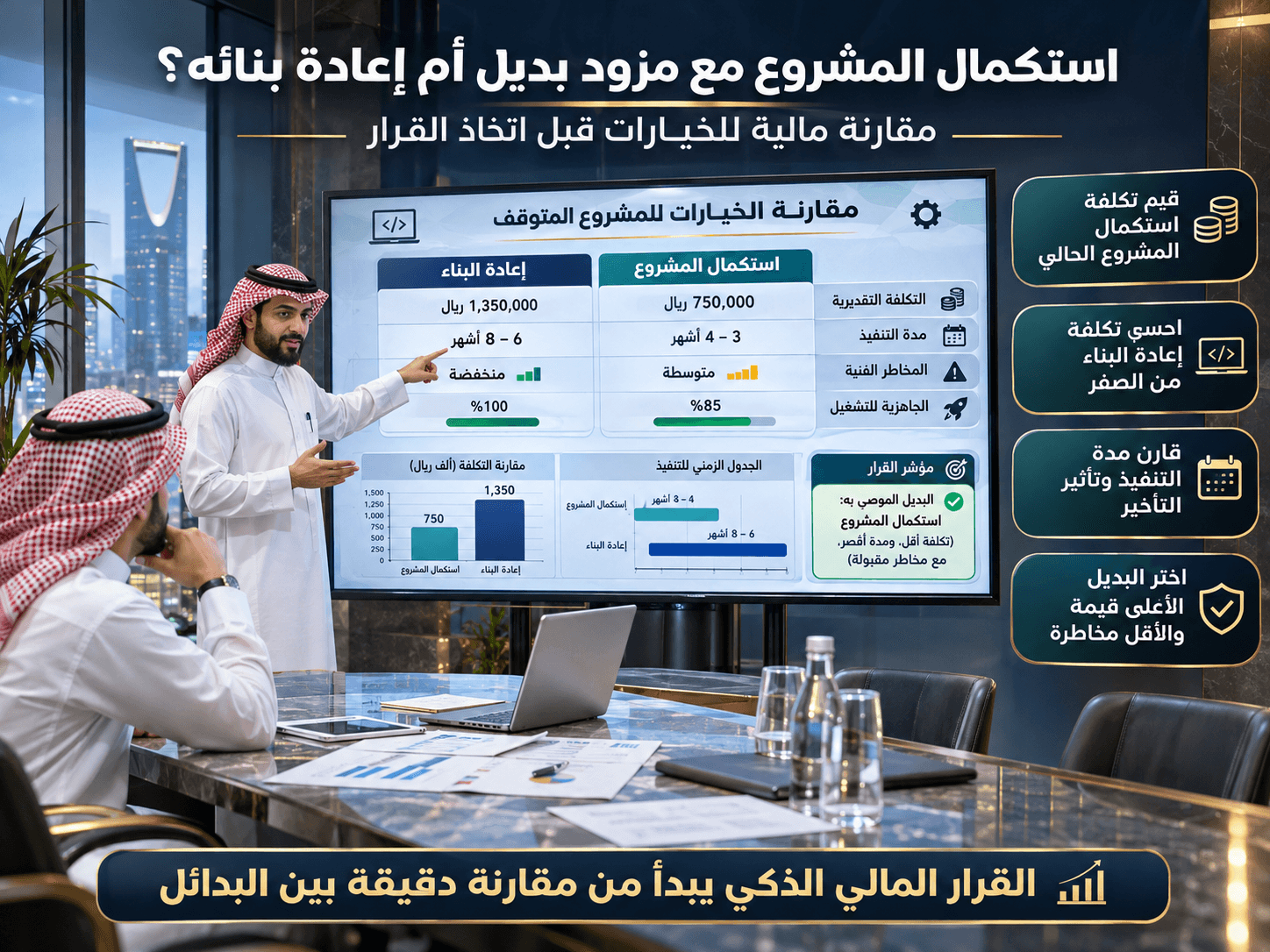
If the company intends to use the design for only three years, licensing could reduce its direct expenditure by EGP 15,000, assuming licensing fees remain unchanged and no additional expenses arise.
However, if the company expects to use the design for several additional years, acquiring the economic rights may become more financially attractive.
These figures are hypothetical and intended for illustration only. An actual financial assessment should also account for the time value of money, contractual conditions, and differences in risk exposure.
5. How Do Intellectual Property Disputes Affect Business Profitability?#
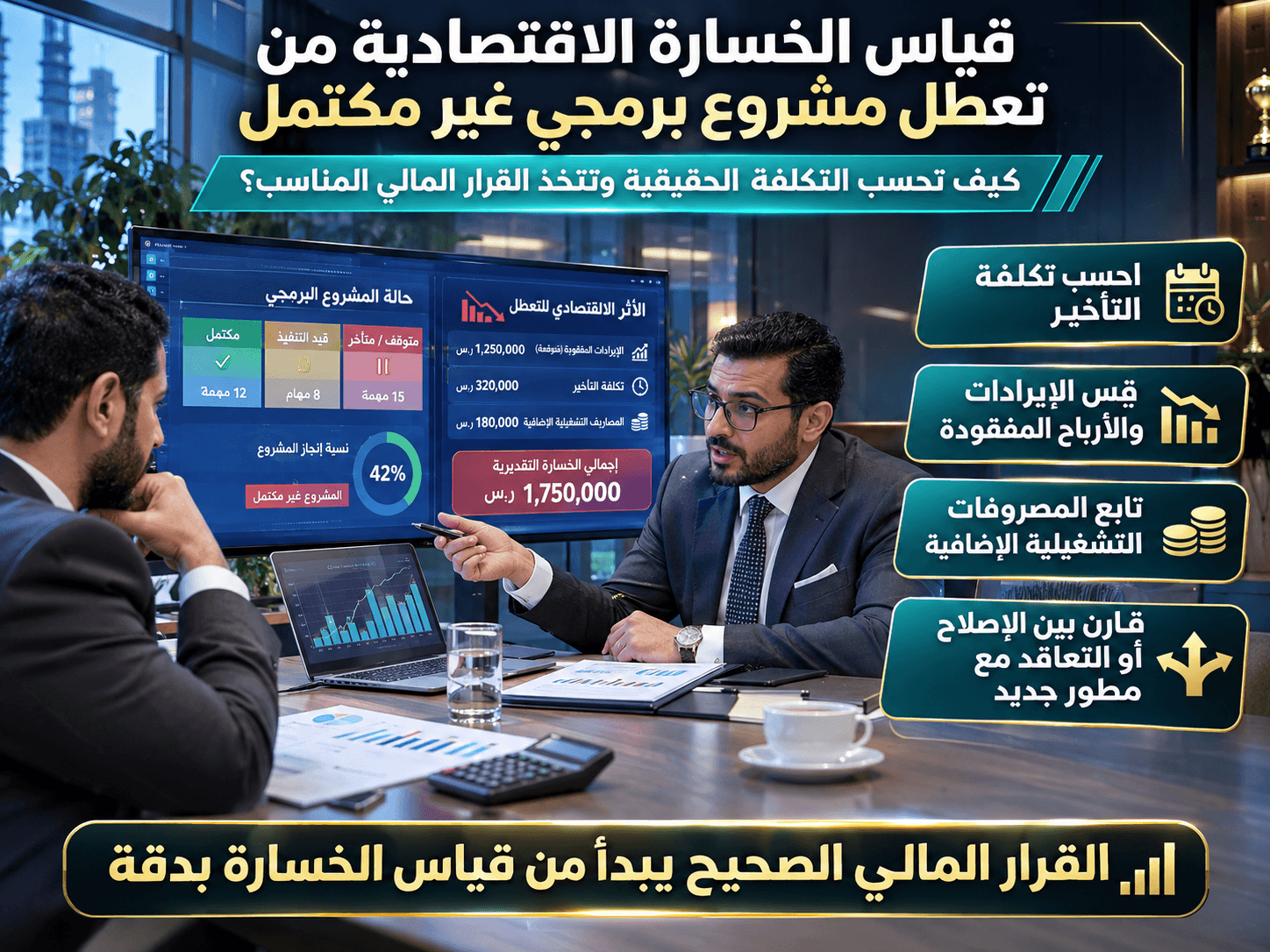
Disputes concerning design ownership or creative content usage may generate financial consequences that extend beyond legal expenses.
A business may need to suspend advertising campaigns, replace existing marketing materials, renegotiate licensing conditions, or pay additional fees to resolve unauthorized usage concerns.
Operational delays may also affect product launches, customer acquisition activities, and projected revenue.
To measure the financial impact accurately, businesses should evaluate both direct expenses and indirect losses.
This assessment may include the cost of replacing creative assets, operational disruption, settlement expenses, and the potential economic benefits of alternative solutions.
Understanding these financial implications allows decision-makers to select a commercially reasonable strategy for resolving disputes.
6. When Is Commercial Licensing More Economical?#
Commercial licensing may be the preferred option when a business requires creative content for a limited period or a specific commercial purpose.
It can be particularly suitable for seasonal advertising campaigns, short-term marketing projects, or situations where the company wishes to test a concept before making a larger investment.
Licensing also allows businesses to preserve capital for other operational priorities.
Conversely, acquiring economic rights may offer greater value when a design or creative work forms an essential part of the company's brand identity or long-term commercial strategy.
The final decision should reflect expected usage, future financial returns, contractual flexibility, and the company's investment capacity.
7. The Role of Fair Value Assessment in Intellectual Property Decisions#
Professional intangible asset valuation helps businesses understand the economic significance of creative works and their associated exploitation rights.
A comprehensive assessment may consider expected future cash flows, market-based comparisons, replacement costs, contractual restrictions, and the risks associated with commercial exploitation.
Such evaluations can support several important business decisions, including determining reasonable licensing fees, negotiating rights acquisitions, assessing financial losses, and comparing dispute settlement options.
It is also important to distinguish between an economic assessment conducted for business decision-making and a formal fair value measurement performed under an applicable valuation or accounting framework.
By understanding the value of their intangible assets, companies can make better-informed investment decisions while reducing unnecessary financial exposure.
Conclusion#
Choosing between commercial licensing and full rights acquisition is not simply a matter of comparing two prices. It is a strategic financial decision that can influence operational flexibility, long-term costs, and future business returns.
Commercial licensing may provide greater economic efficiency for temporary projects, while acquiring economic rights can offer stronger long-term value for strategically important creative assets.
A professional financial assessment can help businesses determine the economic value of intellectual property rights, identify potential losses, and evaluate the most commercially advantageous alternatives.
If your business faces a dispute involving commissioned designs, creative content ownership, or licensing restrictions, consider obtaining a professional intangible asset valuation to assess financial exposure, determine the economic value of the rights involved, and compare practical options for licensing, acquisition, or settlement.